America Is Losing Its Friends… FAST!
📜 History Made in This Video
AI Summary
America Is Losing Its Friends… FAST! – Video Summary
Core Claim: The United States Has Become the Largest National Security Threat to Its Allies
The video argues that from 2023 to 2024, the most significant rise in national security threats to countries like Germany, France, Canada, Japan, and the UK — all long-time U.S. allies — is not from nuclear weapons, North Korea, or climate change. Instead, the United States itself has emerged as the top growing threat.
This conclusion is based on real-time observations from the speaker, who attended key international events:
- The World Government Summit in Dubai
- The Munich Security Conference in Germany, where they were present during a pivotal speech by JD Vance, a senior U.S. official.
Key Events and Statements That Sparked Global Alarm
1. JD Vance’s Speech at Munich Security Conference (Feb 14, 2 in 2025)
- Vance opened by claiming that the biggest threat to Europe is not Russia or China — it’s Europe itself.
- He criticized European leaders for:
- Retreating from fundamental democratic values
- Allowing uncontrolled immigration
- Undermining free speech
- He singled out specific European nations, accusing them of having flawed understandings of democracy.
- The tone was confrontational and dismissive, creating a "breakup with Europe" vibe — described by attendees as happening on Valentine’s Day.
🔥 Reaction: European leaders were furious. Media erupted. The speech was widely seen as deeply offensive and destabilizing.
2. U.S. Pushes Europe to Take Full Responsibility for Ukraine’s Border Security
- The Trump administration proposed that Europe alone should secure Ukraine’s border in the event of a ceasefire with Russia.
- Crucially, no U.S. military forces would be involved.
- This violates NATO Article 5, which states that an attack on one member is an attack on all.
- A German military official stated:
"It would be terrifying if we were sent to that border — without U.S. support, we simply wouldn’t be able to deter Russia."
⚠️ This move undermines the very foundation of NATO’s collective defense.
3. U.S.-Russia Meeting in Saudi Arabia (Without Ukraine or Europe)
- For the first time since the 2022 invasion of Ukraine, U.S. and Russian leaders held a 4.5-hour meeting in Saudi Arabia.
- The meeting did not include Ukraine or any European representatives.
- The U.S. claimed it was only about assessing whether Russia was serious about ending the war — not actual negotiations.
- Key outcomes:
- Both sides agreed to appoint teams to begin real negotiations.
- They will reestablish embassies in each other’s countries.
- A potential geopolitical and economic partnership between the U.S. and Russia is now being discussed.
🚩 Public and media backlash: Many in Europe and Ukraine felt betrayed — especially Ukraine, which had fought for 3 years with no seat at the table.
💬 Trump’s response when asked about Ukraine:
“They’ve had a seat for years. This could have been settled years ago. A half-baked negotiator could have made a deal. This was a classic Trump answer.”
Why This Is So Dangerous
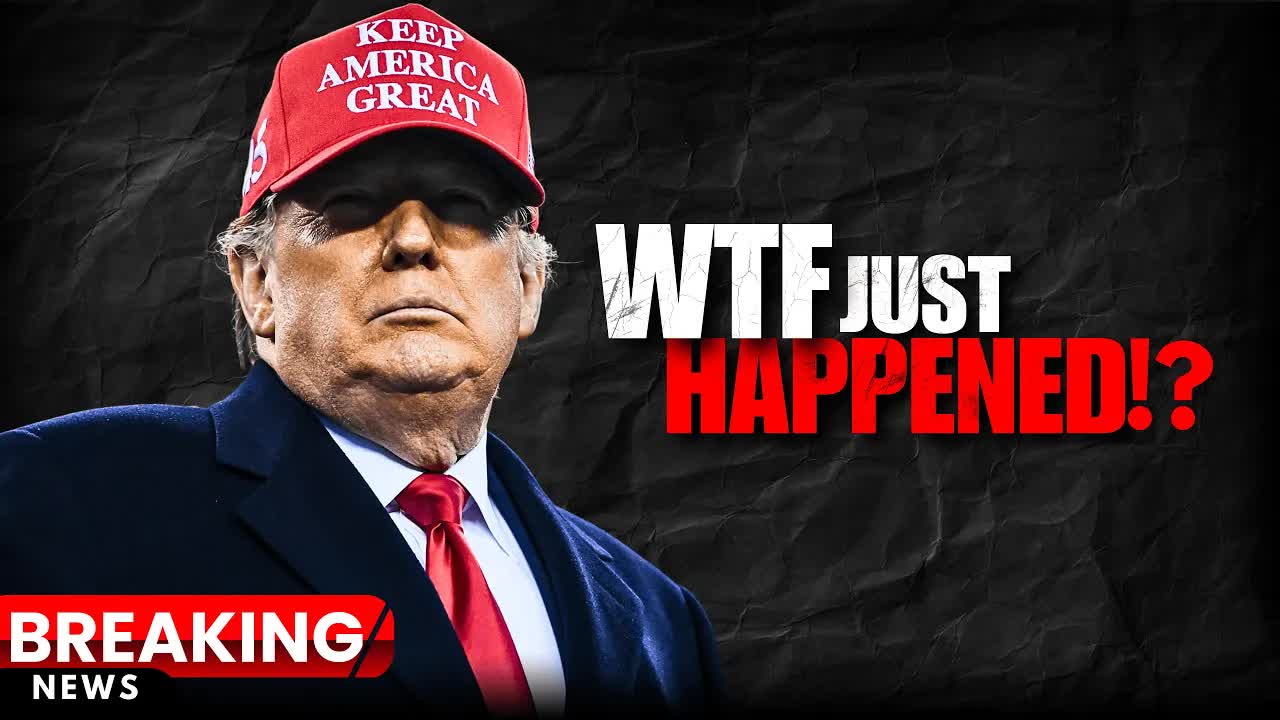
- The U.S. is reasserting a hardline "America First" foreign policy under Trump.
- This includes:
- Threatening tariffs on Canada, Mexico, Colombia, and South Africa.
- Publicly stating he wants to take over Greenland and the Panama Canal.
- Proposing to take control of Gaza after removing its population and rebuilding it.
- These statements are not just rhetoric — they are concrete threats made in public, within weeks of Trump’s return to office.
Global Reactions and Shifts in Alliances
- Germany: Declared “Our answer to America First is Europe unite.”
- France: President Macron called an emergency meeting of European leaders to discuss Trump and Putin.
- Europe: Growing fear that the U.S. is undermining NATO, weakening alliances, and prioritizing domestic politics over global stability.
The Bigger Picture: Is This Strategy Good or Bad?
The video poses a critical question:
Is Trump’s "America First" approach good — because it reasserts U.S. dominance and independence — or dangerous — because it risks weakening long-standing alliances that have historically maintained global security?
✅ Pros:
- Reasserts U.S. power and independence.
- May reduce perceived foreign influence in U.S. policy.
❌ Cons:
- Undermines NATO unity and Article 5.
- Creates deep distrust among allies.
- Opens the door for U.S.-Russia rapprochement without European or Ukrainian involvement.
- Increases risk of geopolitical instability, especially in Europe and Ukraine.
Conclusion
The video concludes that America is no longer seen as a reliable ally — instead, it is now perceived as a growing threat to its closest partners. This shift is driven by:
- Aggressive rhetoric from Trump and JD Vance
- Policy moves that undermine NATO and exclude allies from key decisions
- A secret U.S.-Russia dialogue that excludes Ukraine, raising fears of a negotiated peace that benefits neither side
🚨 The real danger isn’t Russia or China — it’s the U.S. itself, acting unilaterally and unpredictably, risking the collapse of the global alliance system that has kept peace for decades.
Final Takeaway:
The world is witnessing a crisis of trust in U.S. foreign policy. While the U.S. may be trying to assert dominance, doing so at the expense of its allies could undermine global stability and lead to a dangerous era of fractured alliances and rising tensions.
👉 What do you think? Is this strategy good or bad? Let us know in the comments.
🎁 Special prize: A phone giveaway to viewers who comment with their Instagram handle — first one to respond wins!