The YouTube Civil War Is Getting Crazy
AI Summary
The YouTube Civil War Is Getting Crazy – Summary
Overview
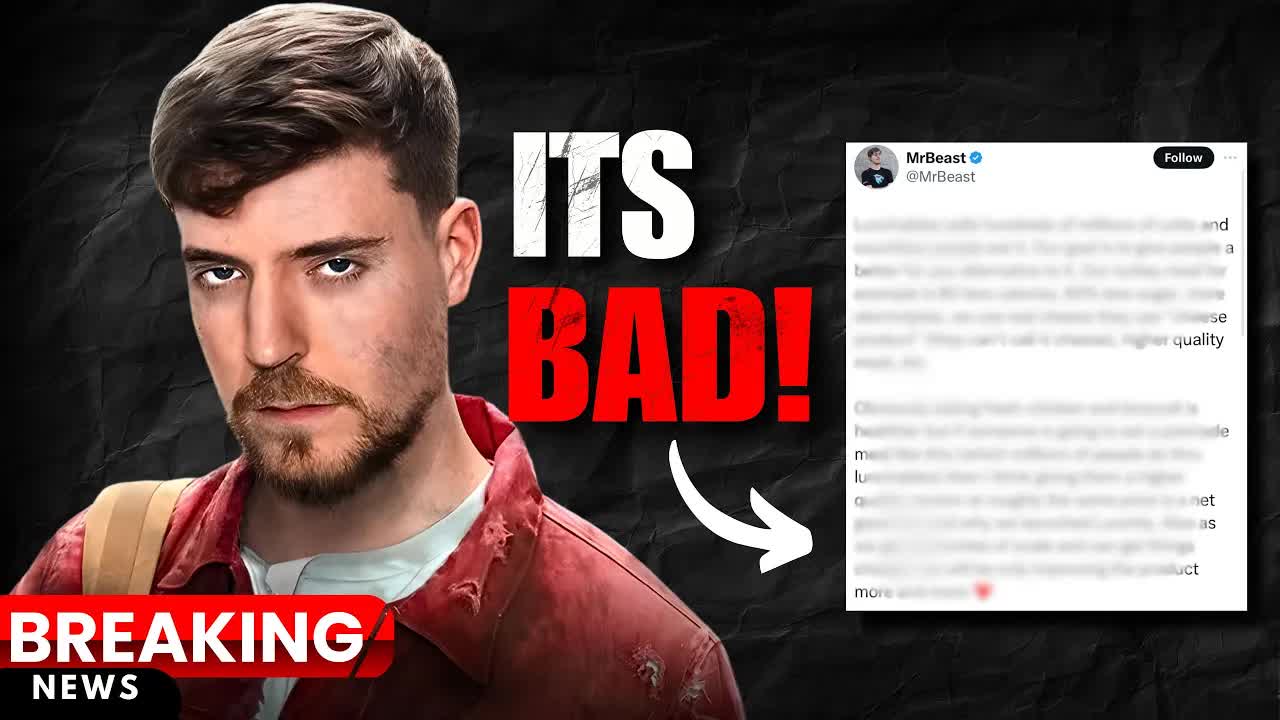
The video explores the growing chaos and hostility among YouTubers, dubbing it "The YouTube Civil War." It traces the conflict back to a single incident involving Mr. Beast and the launch of Lunch Le, a children's food product, which ignited a wave of backlash and personal attacks across the YouTube community. The video argues that this isn't just a feud between creators—it reflects broader societal trends of rising anger and polarization.
Key Events Leading to the "YouTube Civil War"
Origins in a Single Incident:
The conflict began with allegations against Ava Chris Dyson, which spread rapidly and triggered a wave of accusations against Mr. Beast. This led to a surge of public outrage, especially since Mr. Beast, the largest YouTuber, had largely ignored the claims—leaving fans feeling betrayed and unaddressed.Pre-existing Tensions Among YouTubers:
Long-standing divisions exist between:- OG YouTubers (e.g., DanTDM, Jack Seapy, KSI) who value YouTube as a platform for authentic, fun, and community-driven content.
- New-age YouTubers (e.g., Mr. Beast) whose content prioritizes views, monetization, and viral appeal over authenticity.
The "Crackers" Incident and Logan Paul’s Response:
- Logan Paul and KSI responded to criticism by claiming that fans are "hating" on them due to inadequate self-esteem, not actual wrongdoing.
- They argue that Lunch Le is unfairly targeted because it’s marketed to children, while other creators (like Ryan Tren, FaZe, and KSI) have products that are more widely accepted.
- However, the video points out a flaw: all major creators have successful, commercially driven brands, so the argument lacks fairness.
The Children’s Product Issue:
- Lunch Le is explicitly marketed to children and contains food coloring and ingredients not suitable for adults.
- Unlike products like Lunchables, which are heavily regulated and criticized for targeting kids, Lunch Le is seen as a direct copy of a children’s product.
- The video emphasizes that adults should not consume products designed for children, and that such products are heavily regulated to protect minors—a key reason for public backlash.
YouTuber Feuds Expand Beyond Food
Cinnamon Toast Ken brings up a class action waiver in Lunch Le’s terms of service:
- Users agree not to file class-action lawsuits against the company.
- This is seen as a dangerous loophole that undermines consumer rights and accountability.
- The video questions whether this policy is legally valid and ethically acceptable.
Aiden Ross vs. Sideen:
A heated exchange over a live stream with Donald Trump, where Aiden Ross criticized Sideen’s British nationalism and called them “British losers,” sparking a regional and cultural divide.MKBHD’s Wallpaper App Backlash:
- MKBHD launched a wallpaper app with a $50 annual subscription, poor design, intrusive ads, and limited appeal.
- Critics (including a well-known tech reviewer) launched a fierce attack, calling the app absurd and unprofessional.
- The reviewer claims the app has no real value and is a waste of time—despite MKBHD’s long-standing reputation as a trusted tech reviewer.
- MKBHD responds defensively, stating the app targets a very small audience, and users who don’t care can simply ignore it.
Broader Societal Context: Rising Anger Worldwide
According to the Gallup Global Emotions Report, global anger levels have increased by 26% since 2016.
The 1970s were known as the "decade of anger" due to:
- Stagflation (slow growth + high inflation + unemployment)
- The 1973 oil crisis and gas shortages
- Watergate and Vietnam War eroding trust in government
- Women entering the workforce due to necessity, increasing gender tensions
- Geopolitical instability
The video suggests that today’s YouTuber wars mirror that era—a society under stress, where people express frustration through personal attacks and moral judgments rather than constructive dialogue.
Conclusion: Why Is This Happening Now?
- YouTubers are no longer just content creators—they’ve become cultural influencers.
- When creators make products or take actions that go against community values (e.g., targeting children, monetizing content aggressively), fans react with intense, emotional backlash.
- The internet has evolved into a highly polarized, reactive environment where:
- One misstep can trigger a full-blown war.
- Authenticity, ethics, and accountability are under scrutiny.
- The "YouTube Civil War" is not just about one product—it reflects a deeper societal shift toward anger, distrust, and the erosion of civil discourse.
Final Takeaway:
We are not just witnessing a YouTube feud—we are seeing a symptom of a wider cultural crisis. As society becomes more divided and emotionally charged, even small actions by influencers can spiral into full-blown conflicts, revealing how fragile digital communities are when trust and empathy are lacking.