The World Is In Trouble…
📜 History Made in This Video
AI Summary
🌍 Detailed Summary: "The World Is In Trouble…"
🔍 Overview
The video presents a dire global outlook, arguing that a regional conflict between Iran and Israel — which began less than two weeks ago — has rapidly escalated into a near-world war with cascading geopolitical, economic, and humanitarian consequences. The speaker emphasizes that while the conflict may appear geographically limited, its effects are now global in scope, touching nearly every nation, economy, and population.
📌 Key Themes & Core Claims
1. The Conflict Has Expanded to 22+ Countries
- The war, initially perceived as regional, now involves at least 22 countries in some form of military or strategic involvement.
- This marks the most widespread international entanglement since the Cold War, according to Axios.
- The scale is unprecedented: more countries, more great powers, and more overlapping conflicts than any crisis in decades.
💡 The speaker challenges the common meme that "Africa isn’t involved" — stressing that the war will impact Africa as well due to global supply chains and energy dependencies.
2. Allied Nations Are Under Direct Attack
- The U.S. and Israel launched attacks on Iran without informing allied nations.
- As a result, allied countries with U.S. military bases (e.g., UAE, Cyprus, Turkey) became targets:
- UAE’s Dubai suffered missile and drone attacks, damaging infrastructure and undermining its image as a safe tourist destination.
- Cyprus saw UK bases attacked — triggering emergency evacuations and political backlash.
- Turkey faced two missile threats in its airspace, prompting NATO defense systems to respond.
⚠️ This lack of transparency has caused major political instability, with governments scrambling to protect citizens and make urgent decisions.
3. Economic Consequences Are Global and Severe
🔥 Oil Prices Surge by 70% (All-Time Spike)
- Oil prices have risen 70% in just one month — the largest monthly increase in history.
- The spike began on March 9th and reached $120 per barrel, before dropping to around $90 after U.S. President Trump announced the war would end soon.
📈 Ripple Effects Across Global Economies
- The Strait of Hormuz — one of the world’s most critical shipping lanes — has seen a 97% drop in shipping traffic.
- This directly impacts global supply chains, especially for fertilizers, food, and energy.
📉 Impact on Vulnerable Nations
- Sudan imports 54% of its fertilizer from Gulf countries.
- With 21 million people already facing acute hunger (40% of population), rising fuel and fertilizer costs will deepen the humanitarian crisis.
- The correlation between oil prices and fuel costs means:
- For some, grocery bills rise.
- For others, starvation becomes a reality.
📣 The CEO of Maersk (world’s second-largest shipping company) confirms that rising operational costs will be passed directly to consumers — meaning you and I will pay more for goods.
4. Iran Is Now Laying Mines in the Strait of Hormuz
- According to U.S. intelligence reports, Iran has laid dozens of mines in the Strait of Hormuz over the past few days, with potential for hundreds more.
- This is a worst-case scenario for global trade, as the strait handles over 30% of the world’s oil exports.
⚙️ Types of Mines:
- Sinking mines: Sink to the ocean floor and rise when ships pass.
- Hovering torpedoes: Float above the surface, detect ships, and detonate upon contact.
- These are extremely difficult to remove even after peace is restored.
🚨 This effectively turns a vital global trade route into a literal minefield, threatening global energy security.
5. U.S. Is Asking Israel to Hold Back Strikes
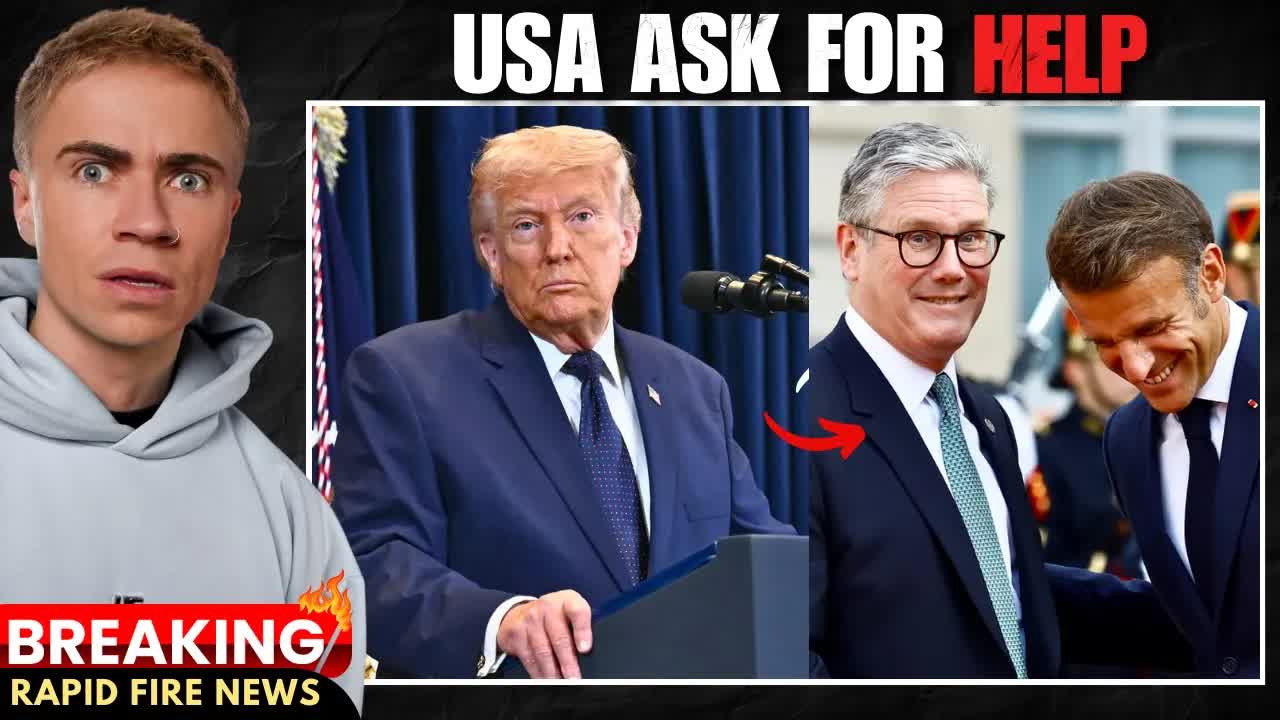
- In a major shift, the Trump administration has instructed Israel to pause attacks on Iranian oil facilities (refineries and storage).
- This is the first time such a de-escalation has been publicly reported in the conflict.
Reasons for the Pause:
- Protecting innocent civilians — many Iranians oppose the regime.
- Preserving Iran’s oil sector for post-war cooperation.
- Avoiding massive retaliation — attacks on energy infrastructure could trigger widespread attacks on Gulf states (e.g., UAE).
🤔 This raises questions about whether this is a real de-escalation or a strategic pause to gain leverage.
Trump’s Statements:
- Trump claims the war will end "very soon" — a statement met with skepticism and criticism.
- He then threatens Iran with "death, fire, and fury" if it stops oil exports — signaling a dual approach: de-escalation with a strong warning.
📉 Result: Oil prices dropped after the statement, suggesting market response to perceived de-escalation.
6. Iran Announces a Major Escalation Threat
- Iran has declared that all future missile attacks will use warheads weighing over 1 ton — a significant increase in destructive power.
- This signals a clear shift toward greater aggression, possibly indicating a move toward full-scale nuclear or strategic retaliation.
7. Iran Is Preparing to Activate Global "Sleeper Cells"
- U.S. intelligence agencies intercepted a coded radio transmission from Iran, believed to be a signal to activate sleeper cells abroad.
- Sleeper cells are secret operatives living in foreign countries under normal lives, activated only when given a signal to carry out attacks (e.g., sabotage, assassinations, terrorism).
Why This Is Alarmingly Serious:
- The transmission was sent shortly after the death of Iran’s former Supreme Leader — suggesting a deliberate, coordinated move to reassert influence.
- If confirmed, this could lead to a wave of coordinated attacks across the world.
🚩 This is one of the most concerning developments — it implies Iran may be preparing for a global covert campaign.
8. Spikes in Targeted Attacks on U.S. and Israeli Institutions
The video highlights a rising pattern of attacks on diplomatic and symbolic sites:
🇨🇦 Canada – Toronto
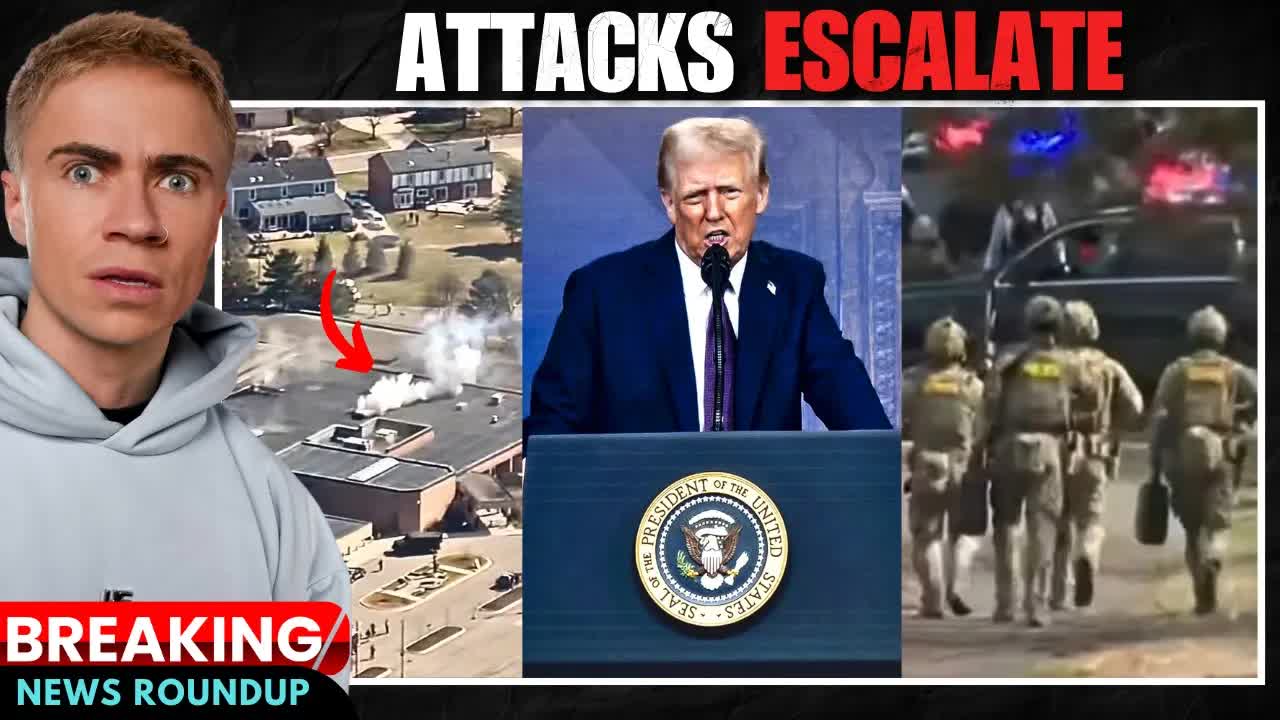
- A shooting at the U.S. consulate in Toronto early morning (4:30 a.m.).
- Two men exited a white Honda CR-V, fired at the building, then fled.
- No injuries, but the building was damaged — similar to the Norway consulate attack.
- The attackers are still uncaught.
📢 Other Incidents in Toronto:
- Three Jewish synagogues were shot at in one week.
- A boxing gym owned by an Iranian-Canadian critic of the Iranian government was attacked.
🇺🇸 U.S. – Other Incidents:
- The plane attack in New York.
- The Norway consulate attack (which sparked global outrage).
🔍 These incidents suggest a pattern of targeted violence against foreign diplomatic institutions — possibly linked to sleeper cells or anti-Western sentiment.
9. Geopolitical Developments & International Reactions
- EU Council President claims Russia is the only winner of the Middle East conflict — implying that Russia may be gaining influence through its support of Iran or strategic positioning.
- The U.S. has held a direct phone call with Vladimir Putin since the conflict began.
- Putin reportedly presented proposals for ending the war with Iran — though the U.S. response is unclear.
🤝 This suggests Russia may be playing a mediating or strategic role, potentially expanding its influence in the region.
10. Iran’s New Leadership & Internal Dynamics
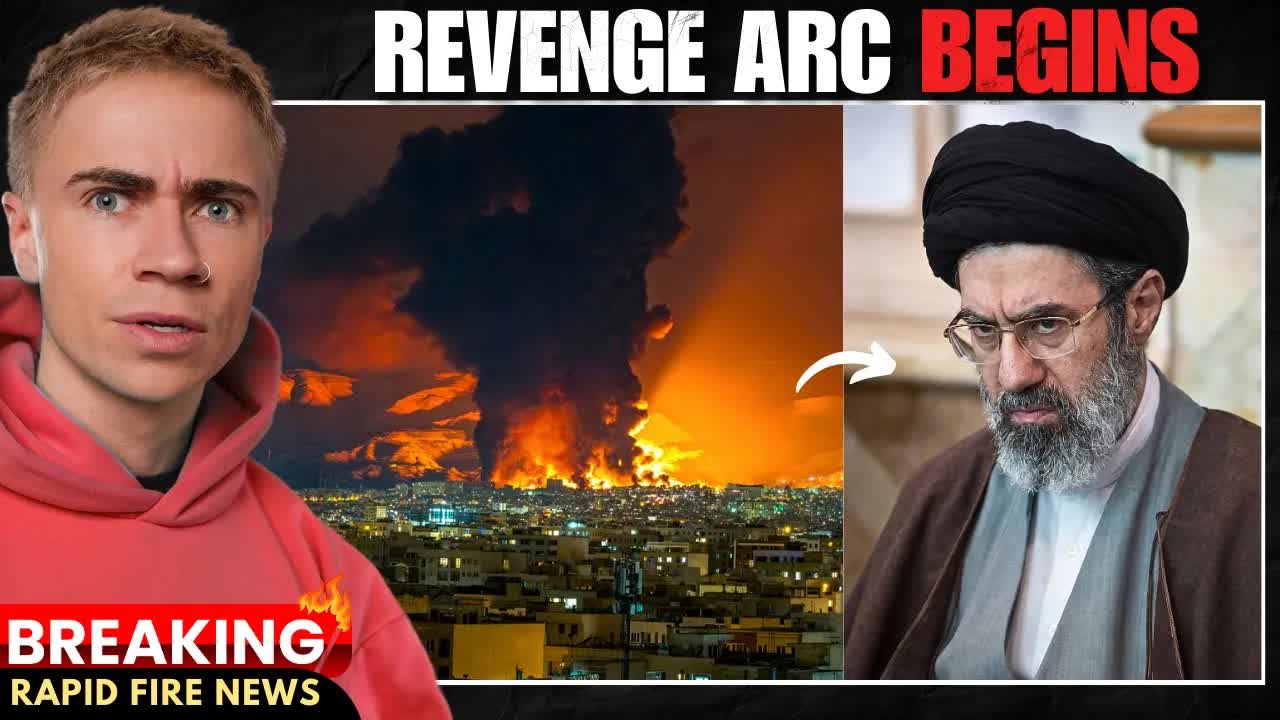
- Large crowds have gathered in Iran to pledge allegiance to Supreme Leader Ebrahim Raisi (note: transcript says “Mushtaba Hamemeni” — likely a typo; correct name is Ebrahim Raisi).
- Raisi is reportedly injured in recent attacks but is still alive.
- His public appearance has been delayed — raising concerns about internal stability and potential leadership shifts.
📊 Summary Table: Key Developments
| Event / Development | Impact |
|---|---|
| 22+ countries involved | Most global involvement since Cold War |
| U.S. & Israel attack without warning | Major political backlash; base attacks in UAE, Cyprus, Turkey |
| Oil prices up 70% | All-time spike; affects global supply chains |
| Iran mines Strait of Hormuz | Threatens global oil flow; hard to remove mines |
| U.S. asks Israel to halt oil strikes | First sign of de-escalation; aims to avoid retaliation |
| Iran threatens 1-ton warheads | Escalation in military capability |
| U.S. intercepts coded signal | Possible activation of global sleeper cells |
| Attacks on U.S. consulates (Toronto, Norway) | Rising pattern of targeted violence |
| Russia claims to be the only winner | Expands geopolitical influence |
| U.S.-Russia talks | Potential for diplomatic resolution |
📢 Final Takeaway & Conclusion
"The world is in trouble" — not because of a single event, but because of a chain reaction of military, economic, and political failures.
Despite the conflict starting in a regional area, the consequences are global and deeply unequal:
- The wealthy may face higher prices at the grocery store.
- The poor may face starvation and famine due to disrupted supply chains.
- Governments are scrambling to respond to attacks and misinformation.
- Global security is under threat from sleeper cells and coordinated attacks.
The video concludes with a strong warning:
"This war may be regional in origin, but its consequences are global — and only get worse the longer it drags on."
It also adds a humorous yet pointed closing line:
"And today at the end of the video, we too shall be going to war against the forces of mold."
(This is likely a satirical or absurd statement to lighten the tone, emphasizing the need to confront real-world threats — even in mundane areas like homes.)
🚨 Final Thoughts & Viewer Takeaways
- The war is not regional — it is systemically global in impact.
- Economic shocks (oil prices) affect everyone, but disproportionately harm the poor.
- Security threats (sleeper cells, attacks on consulates) are rising — requiring vigilance.
- De-escalation is ambiguous — the U.S. may be trying to negotiate, but also threatening extreme retaliation.
- Global cooperation is essential — especially in energy, diplomacy, and crisis response.
🔍 This video serves as a detailed, urgent warning about how one conflict can ripple across borders, economies, and societies — and why global awareness and preparedness are more important than ever.
✅ Rating: 9/10 — A compelling, well-structured, and timely analysis of a rapidly evolving global crisis.
📌 Recommended for: Viewers interested in geopolitics, international relations, economics, and global security.